7 Warning Signs on Flour Silo
Does Your Flour Silo Really Need Cleaning?
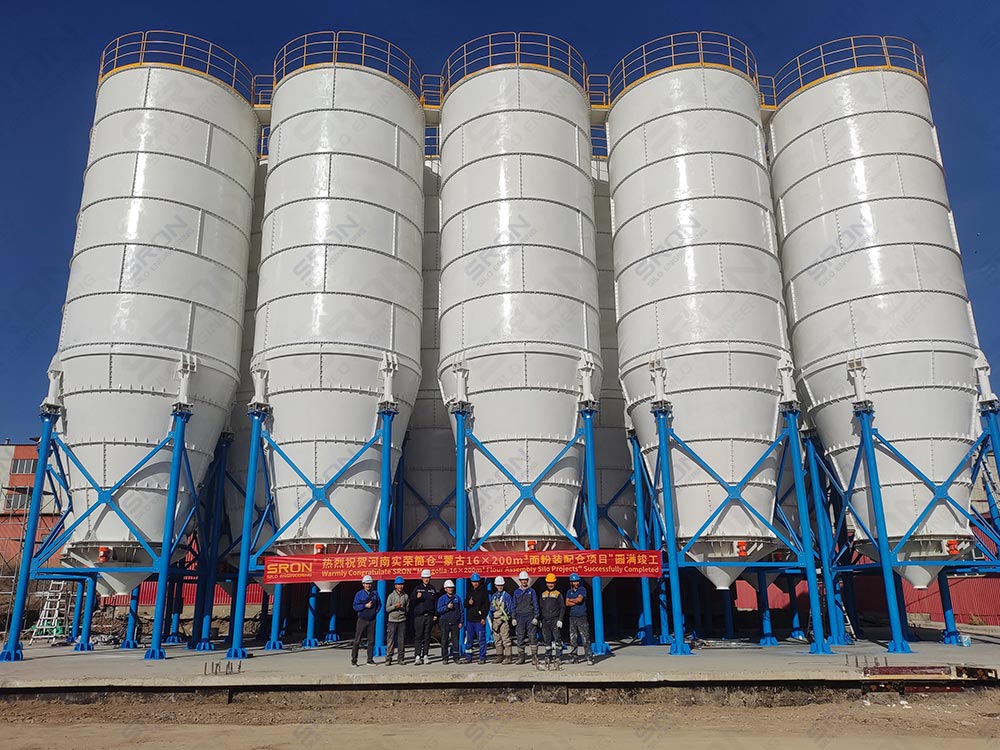
Your flour silo may look clean from the outside — but what is happening inside?
For many bakeries, noodle manufacturers, biscuit and cookie factories, frozen-food producers and other food-processing plants, flour silos are an essential part of daily production.
Yet silo cleaning is often overlooked.
A silo may continue operating for years without a proper internal inspection or cleaning. Over time, flour residue can accumulate, particularly around the cone, walls, discharge points and other areas where material tends to remain trapped.
Eventually, what started as a small amount of residue can contribute to poor flour flow, caking, blockages, contamination risks and unexpected production interruptions.
Why Do Flour Silos Get Overlooked?
Production is the priority.
Stopping a silo can mean:
- Interrupting production
- Arranging manpower and access equipment
- Removing remaining flour
- Coordinating cleaning activities
- Waiting for the silo to be safe for production again
As a result, many factories only consider cleaning when a problem appears.
But waiting for a blockage or contamination issue can be much more expensive than carrying out preventive inspection and cleaning.
7 Warning Signs Your Flour Silo May Need Attention
1. Flour Is Not Flowing Smoothly
Does flour sometimes discharge slowly or inconsistently?
This may indicate residue or compacted flour around the silo wall, cone or discharge area.
Don’t immediately assume that the problem is only mechanical.
The condition inside the silo should also be investigated.
2. You Are Finding Lumps in the Flour
Unexpected lumps may be associated with:
-
- Moisture ingress
- Flour caking
- Old flour residue
- Poor storage conditions
- Material buildup inside the silo
For food manufacturers, even a small change in flour condition deserves attention because product quality and food safety are critical.
3. The Silo Has Never Been Properly Cleaned
This is one of the simplest questions to ask:
“When was the last time the inside of this silo was professionally inspected and cleaned?”
If the answer is:
“We don’t know.”
or
“It has never been cleaned.”
it may be time to arrange an inspection.
A silo that has been operating for many years can contain accumulated flour residue that cannot be seen from the outside.
4. You Have an Upcoming HACCP, ISO 22000, BRC or Customer Audit
Food manufacturers need to demonstrate control over their production and storage environment.
Silo hygiene can form part of your overall food-safety and preventive-maintenance programme.
A documented inspection and cleaning programme can help your maintenance and QA teams demonstrate that storage equipment is being proactively managed.
Don’t wait until an auditor asks the question.
5. Your Flour Supplier Has Raised a Concern
Sometimes the first indication of a storage problem comes from the flour supplier.
If your flour supplier recommends checking your silo because of:
-
- Flow problems
- Residue
- Product complaints
- Possible contamination
- Storage-related issues
it is worth investigating the condition of the silo before the problem becomes more serious.
6. Production Has Already Been Interrupted by a Blockage
This is a major warning sign.
If your factory has experienced flour bridging, discharge blockage or a situation where operators had to intervene to restore flour flow, the silo should be investigated.
Repeated blockages are not simply an inconvenience.
They can result in: Downtime → Lost production → Emergency maintenance → Higher operating cost.
A preventive inspection may help identify the underlying problem before it happens again.
7. There Is an Unusual Smell or Visible Residue
An unusual smell, excessive residue or signs of deterioration should never be ignored.
Possible causes can include accumulated old flour, moisture-related problems or other storage hygiene issues.
For food-processing facilities, the objective should always be to identify the cause rather than simply remove the symptom.
What Happens Inside a Flour Silo Over Time?
Flour does not necessarily leave a silo completely during every discharge cycle.
Small quantities can remain on internal surfaces and around areas such as:
- Silo cone
- Discharge outlet
- Wall surfaces
- Corners and dead zones
- Filters and associated areas
Repeated accumulation can eventually lead to hardened deposits and caking.
This is particularly important for silos that have been operating for many years without a proper internal inspection.
Cleaning Is Not Just About Making the Silo Look Clean
A professional silo cleaning programme should have a bigger objective: Food hygiene + reliable flour flow + preventive maintenance + production continuity.
The right approach should begin with an assessment of the silo condition.
Not every silo necessarily requires the same cleaning frequency.
Factors such as:
- Silo age
- Flour turnover
- Storage duration
- Humidity and environmental conditions
- Previous cleaning history
- Type of flour
- Operating conditions
- Previous flow problems
should be considered when determining an appropriate inspection and cleaning programme.
How Often Should a Flour Silo Be Cleaned?
There is no universal interval that applies to every factory.
Some facilities may require more frequent attention, while others may operate longer between major cleaning activities.
Rather than simply following a fixed schedule, consider establishing a risk-based silo inspection programme.
For example: Inspect → Assess → Clean if required → Document → Monitor → Re-inspect.
This gives your maintenance and QA teams better visibility of the actual condition of the silo.
Don’t Wait for a Blockage
The most expensive time to discover a silo problem is often when production has already stopped.
A preventive silo inspection can help you understand:
- What is inside the silo?
- Where is the buildup occurring?
- How serious is it?
- Does it require cleaning now?
- What should be monitored in the future?
This turns silo cleaning from an emergency response into a planned maintenance activity.
Is Your Flour Silo Due for an Inspection?
If your factory has:
- Never professionally cleaned the silo
- Experienced flour-flow problems
- Found caked or hardened flour
- Experienced repeated blockages
- An upcoming food-safety audit
- Silos that have been operating for many years
it may be worth arranging an inspection.
You don’t have to wait for a production problem before checking.
Request a Flour Silo Hygiene Inspection
We provide professional flour silo inspection and cleaning services for food-processing facilities.
Our objective is simple: Identify the problem → assess the condition → clean where necessary → document the work → help prevent recurrence.
📩 Contact us to arrange a silo inspection or discuss your factory’s cleaning requirements.
Your silo may be out of sight — but what happens inside can directly affect your production.In the flour industry, many factories buy large volumes of flour but rarely clean their silos properly. These are usually the best prospects for silo cleaning services because they focus heavily on production but often overlook storage hygiene.