Make Your WWTP Work Smarter — Not Harder
Reduce Chemical Dependency, Improve Wastewater Stability, Support Your ESG Goals

Your wastewater treatment plant may be operating every day — but are you spending too much on chemicals just to keep your effluent within limits?
Our Biological WWTP Optimization Program uses specially selected organic microbial solutions to support the natural biological processes inside your wastewater treatment system.
The objective is simple:
Help your existing WWTP perform better, more consistently and potentially with less chemical dependency.
Is Your WWTP Facing These Problems?
- High Chemical Consumption – Constant dosing of coagulants, pH adjusters and other treatment chemicals can significantly increase WWTP operating costs.
- High COD / BOD – Organic loading from food production can fluctuate and put pressure on your biological treatment process.
- Unstable Effluent Quality – Production changes, cleaning cycles and shock loading can cause sudden changes in wastewater characteristics.
- Excessive Odour – Poor biological balance and anaerobic conditions can create unpleasant odours around equalization and treatment tanks.
- Excessive Sludge – High chemical dosing and inefficient biological treatment can contribute to increased sludge generation and disposal costs.
- Biological Process Instability – Your WWTP may require frequent operator intervention to maintain stable performance.
If any of these sound familiar, your WWTP may have an opportunity for biological optimization.
Don’t Just Add More Chemicals, Optimize the Biology
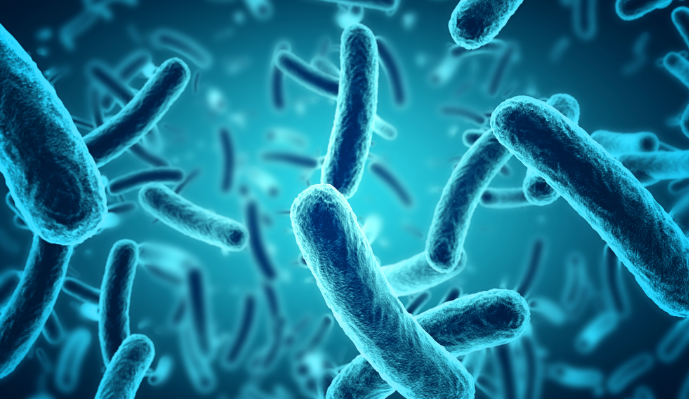
Many industrial WWTPs rely heavily on chemical treatment to correct wastewater problems.
Chemicals have an important role in wastewater treatment — but they are not always the complete solution.
Our approach is different.
We introduce and support beneficial microbial activity to help break down biodegradable organic matter and improve biological treatment performance.
Our objective:
Microbial activity → Better biological degradation → More stable WWTP → Potentially lower chemical dependency
We work alongside your existing WWTP process rather than simply replacing it.
What Can Our Microbial Program Help With?

Depending on your wastewater characteristics and existing treatment system, microbial optimization may help with:
- COD/BOD reduction
- Organic matter degradation
- FOG and biodegradable grease management
- Wastewater odour control
- Biological process stability
- Shock-load recovery
- Sludge management
- Effluent consistency
- Potential reduction in chemical consumption
Actual results depend on wastewater characteristics, WWTP design, operating conditions and microbial compatibility.
From Wastewater Treatment To ESG Performance

Environmental performance is increasingly becoming a management priority.
A well-managed WWTP can contribute to your company’s environmental objectives through measurable improvements in:
💧 Water & Effluent Management
Improve wastewater treatment performance and maintain more consistent effluent quality.
🧪 Chemical Efficiency
Potentially reduce unnecessary chemical consumption through better biological performance.
♻️ Waste Reduction
Potentially reduce sludge generation and associated disposal requirements.
🌱 Environmental Impact
Reduce resource consumption associated with wastewater treatment where measurable improvements are achieved.
📊 ESG Reporting
Convert your WWTP improvements into measurable environmental KPIs that can support your sustainability and ESG reporting.
We don’t sell ESG claims. We help you generate measurable operational data that can support them.
Measure Before, Optimize, Measure Again
We believe wastewater improvement should be based on data — not assumptions.
Our program follows a simple approach:
01 — Assess
Understand your wastewater characteristics, WWTP configuration and current operating conditions.
02 — Establish Baseline
Record key parameters such as COD, BOD, FOG, pH, MLSS, DO, sludge generation and chemical consumption where applicable.
03 — Optimize
Introduce the appropriate microbial treatment program into the existing WWTP.
04 — Monitor
Track changes in treatment performance, chemical consumption, sludge and other relevant operating parameters.
05 — Compare
Compare your before vs. after results.
06 — Report
Provide a practical performance summary showing measurable improvements and potential cost and environmental benefits.
What You Could Potentially Gain
A successful WWTP optimization program may help your factory achieve:
↓ Chemical Consumption
↓ COD / BOD
↓ Odour Problems
↓ Sludge Generation
↑ Biological Stability
↑ Effluent Consistency
↑ Operational Efficiency
↑ Environmental Performance
The actual improvement will depend on your individual wastewater and treatment system.
Who Is This For?

Our solution is particularly relevant to industries with high organic wastewater loads, including:
Food & Beverage Manufacturing
Dairy, bakery, sauces, beverages, meat, poultry, seafood and processed food.
Food Processing
Factories with significant organic, grease or fluctuating wastewater loads.
Hospitality & Commercial Operations
Large hotels, central kitchens and food-service operations with biological wastewater treatment systems.
Other Organic-Wastewater Industries
Manufacturers where biodegradable organic loading is a significant part of the wastewater challenge.
Your Existing WWTP May Not Need a Bigger System, It May Need Better Biology

Before investing in major WWTP expansion, equipment upgrades or continuously increasing chemical dosage, let’s first determine whether your existing biological process can be optimized.
Start with your WWTP data. Share your:
- Monthly chemical consumption
- COD/BOD results
- Effluent test reports
- WWTP flow rate
- Production volume
- Current treatment process
Our team can review your situation and determine whether a microbial optimization program may be suitable.
Turn Your WWTP From a Cost Centre Into a Measurable ESG Opportunity
Better Biology
Less Dependency
More Stability
Measurable Results
No promise of fixed savings or chemical reduction is made upfront. The objective is to identify measurable improvement opportunities based on your actual wastewater and WWTP conditions.