Exploring Alternatives to Laboratory Testing for Milk Powder Quality Control in Malaysia
Milk Powder Processing
Milk powder processing requires careful control of particle size distribution because powder size affects solubility, dispersibility, bulk density, flowability, dusting behaviour, packaging performance, and consumer experience.
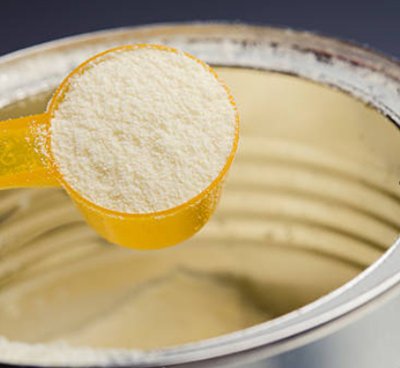
Powder properties can vary depending on feed composition, drying conditions, agglomeration, fines return, moisture content, and handling conditions. These changes can influence final powder quality and process stability.
Traditional milk powder quality control often relies on laboratory testing of collected samples. Although valuable, these measurements are delayed and may not capture short-term variations during production.
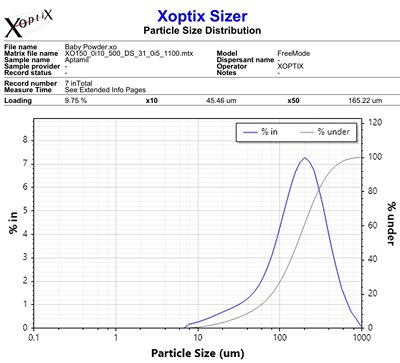
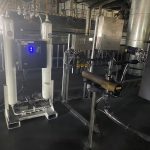
Xoptix provides continuous real-time PSD measurement directly from the process. Operators can monitor powder quality as it is produced and respond quickly to changes in drying, agglomeration, or classification performance.
Consistent particle size is especially important for instantised and agglomerated milk powders. If the powder is too fine, it may create dusting, poor flow, or handling issues. If it is too coarse or poorly controlled, it may affect solubility and product appearance.
Real-time PSD monitoring helps reduce reliance on manual sampling and laboratory analysis. This lowers workload while providing more frequent and actionable quality information to production teams.
Continuous data can also support process optimisation, helping operators adjust spray drying conditions, agglomeration settings, fines return, fluid bed operation, and classification performance.
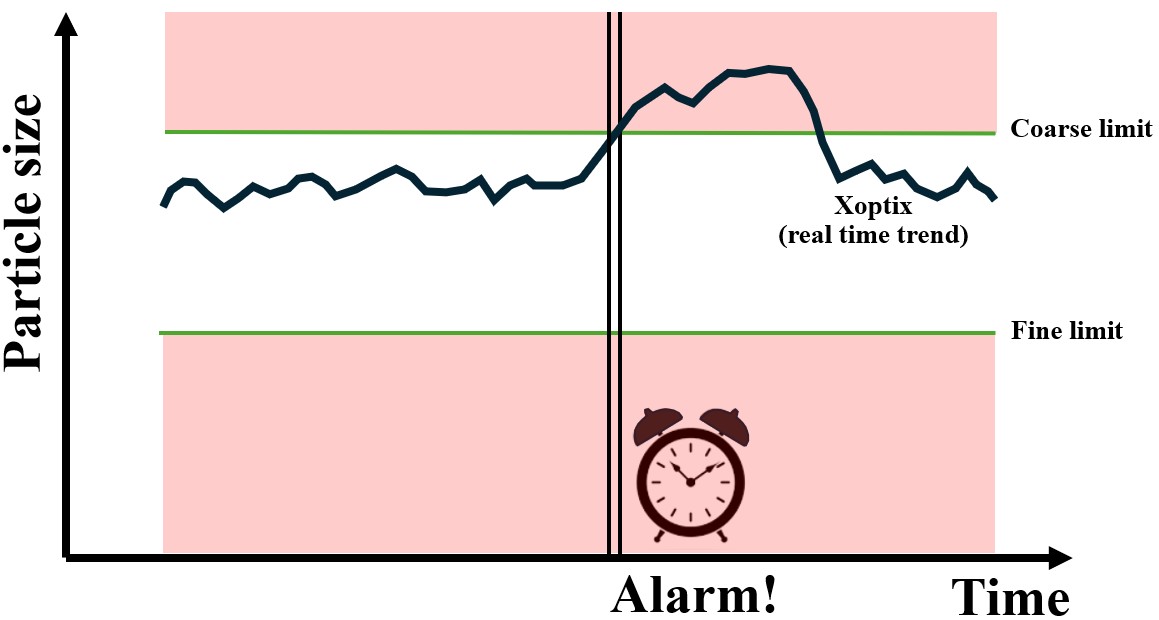
With Xoptix, dairy producers can improve powder consistency, reduce manual testing, support faster corrective action, minimise quality variation, improve process efficiency, and deliver more reliable product performance to customers.
About Xoptix
Xoptix provides inline particle size measurement systems used to optimize the milling and processing of bulk materials, including feed grains, flour, and wheat.
In the food and animal feed sectors, maintaining precise particle size distribution (PSD) is critical. Excessive grinding of wheat can create high levels of gluten that lead to a sticky dough, reducing overall animal digestion, while a high percentage of ground wheat can cause flour buildup and mold contamination in feeders.
How Xoptix Optimizes Grain & Flour Milling
- Real-Time Quality Control: Instead of waiting for slow, periodic laboratory sieve tests—during which large amounts of out-of-specification material can be produced—Xoptix systems provide continuous automated monitoring.
- Process Automation: The systems feed data directly into process control loops, automatically adjusting mill feed rates, grinding pressure, and separator speeds.
- Hygienic Design: For food and feed-grade wheat processing, Xoptix systems can be configured to automatically discharge evaluated samples to a waste bin after analysis to fulfill strict contamination rules.
Contact us
Other solutions:
- Bulk Material Handling – belt/pneumatic conveying, packing, palletising, silo, bulk loading/unloading
email : amin [at] cemax [dot] com [dot] my
whatsapp : +60 12 273 3272